Soundcheck in Screen 7: How Concert Films Became Britain's Loudest Night at the Pictures
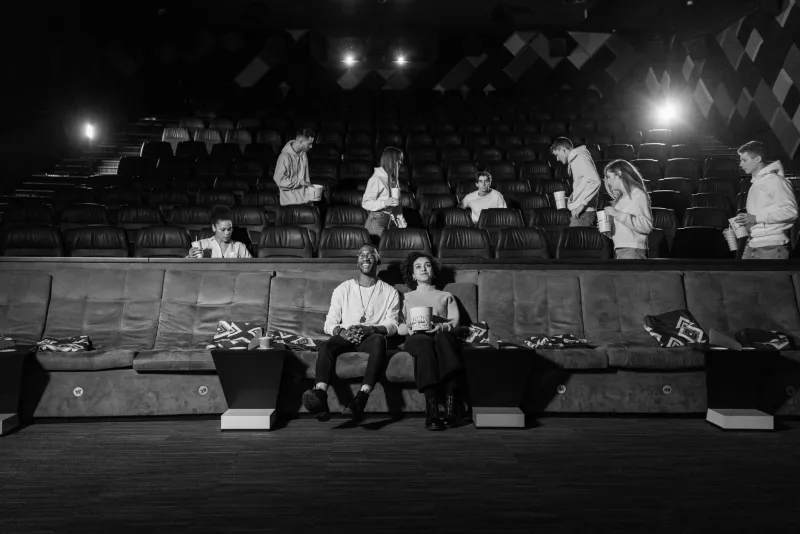
There's a particular sound a UK cinema makes on a Saturday night in 2026, and it isn't the rustle of a pick 'n' mix bag. It's a few hundred people who know every word, hitting the chorus two beats before the screen does. Somebody's got their phone torch on. Somebody else is standing in the aisle, arms up, entirely unbothered by the fact that this is technically a licensed premises with a fire exit to think about.
Welcome to the concert film, the loudest thing to happen to British cinema since somebody decided recliners were a selling point. What used to be a niche bit of event programming — a one-night-only curio for the devoted — has become a proper night out, with all the ritual that implies. Tickets bought in fours and sixes. Outfits planned in the group chat. A pre-show pint timed to the minute. And, increasingly, a second or third visit once the "encore" screenings appear.
The group booking is the whole business model
Here's the thing about a normal film release: it's a solo-ish purchase. Two tickets, maybe. A couple on a date, a parent and a kid, someone killing a wet Tuesday afternoon. Concert films break that maths completely. They sell in blocks, because the entire appeal is collective — you go with the people who know the same deep cuts, and you go loud.
Cinemas have clocked this. Programmers who spent years fretting about no-shows and midweek dead zones have found a format that fills the biggest screen in the building on a Friday and again on a Sunday, and then again a fortnight later when the word-of-mouth wave arrives. It's the closest thing the industry has to a repeatable event, and the repeatability is the point.
Where the pick 'n' mix used to be
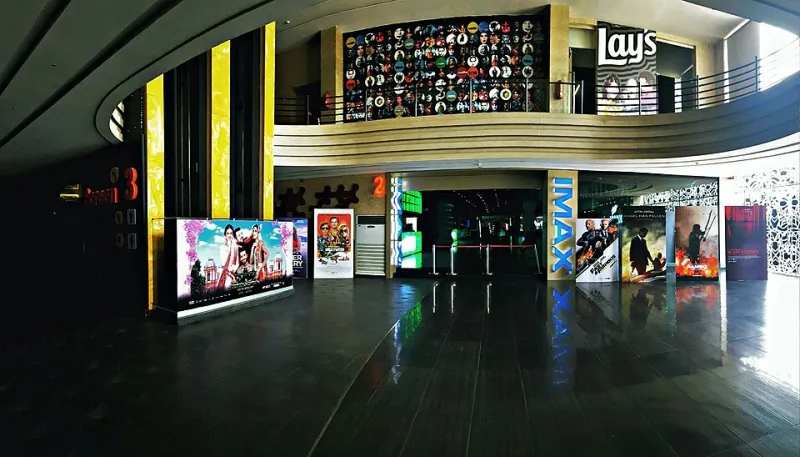
The staging has changed too. Walk into one of these nights and you'll find a merch table in the foyer, usually staffed by someone who has been briefed to within an inch of their life. Limited posters. Tote bags. The kind of thing that turns a ticket stub into a souvenir. Some sites lean in with photo backdrops, a DJ in the bar, lyric sheets handed out at the door, staff in themed get-up. Picturehouse and Everyman have made a decent fist of the cocktail-bar version; the big chains have gone for volume and confetti.
And honestly? It works. The cinema has spent the last decade being told it needs to offer something streaming can't. It turns out the answer was never laser projection or a bigger screen. It was other people. Specifically, other people screaming the bridge of a song you've heard four thousand times.
The encore economy
What's genuinely interesting about 2026 is the shape of the release, not just the noise of it. These things don't open and fade like a normal film. They arrive, sell out the weekend, then come back. And back. "Encore screenings" have become their own category of programming — a second bite for the people who missed the first wave, a third for the ones who want to do it again with a different group of mates.
This isn't brand new. The Eras Tour film in 2023 and Renaissance before it proved the model could carry a UK multiplex for weeks, and the Oasis reunion in 2025 gave the format a heritage-rock second wind that nobody was quite expecting. But 2026 has moved it from "big deal when it happens" to "permanent fixture on the calendar", and that shift matters more than any single title.
It also creates a strange new kind of FOMO. Miss the opening weekend and you haven't missed the film — you've missed the room. The encore is a second chance at the atmosphere, which is a much harder thing to schedule than a screening.
The sound argument, and the neighbours
Not everyone's thrilled. If you've booked a quiet afternoon showing of something worthy and found yourself next to a hen party warming up, you have my sympathy and also my admiration. Cinemas are still working out the etiquette: which screen, which slot, how loud is too loud, whether dancing in the aisle is a fire hazard or just enthusiasm.
Most sites have landed on a sensible compromise — biggest screen, late slot, clear labelling on the booking page. The good ones treat it like a gig with seats: permission to stand, permission to sing, a warning to the people who'd rather not. It's a small thing, but it's the difference between a great night and a complaint to head office.
A venue, not just a screen
The bigger story here is what it says about the British night out. Cinema has spent years competing with pubs, gig venues, bowling alleys and the sofa. Concert films flip the script, because they're all of those things at once: a gig you can actually get a ticket for, a pub you can sit down in, a sofa with a Dolby Atmos rig and a merchandise stall.
There's a risk, obviously. Pile too many of these onto the schedule and the novelty thins out, prices creep past the point of an impulse buy, and the regular release — the mid-budget drama, the cult oddity, the thing that actually needs a big screen — gets squeezed into the smallest room on a Monday. Programmers need to keep the balance.
But when it lands, it really lands. A room full of strangers, all facing the same way, all shouting the same words, all genuinely delighted to be out of the house in November. That's not a compromise on the cinema experience. That's the whole reason the lights go down in the first place.