Popcorn Before Noon: The Quiet Rise of Britain’s Morning Cinema Crowd
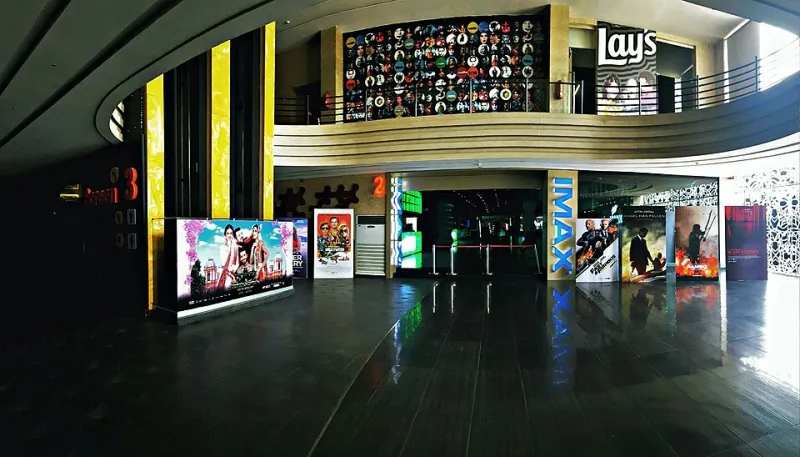
Photo: Shahzaib Damn Cruze, CC BY-SA 4.0, via Wikimedia Commons
On a wet Tuesday in Leeds, the 11am screening of a new blockbuster can feel like a small act of rebellion. The lights are still low, the popcorn is fresh, and the only queue is for a flat white. In 2026, that scene is repeating across the UK — not just in art-house corners, but in multiplexes from Manchester to Milton Keynes. The morning show has stopped being a leftover slot. It is becoming the smartest ticket in the building.
The new prime time is before lunch
Nobody is declaring the evening show dead. Friday and Saturday nights still belong to big releases, and midnight screenings still have their devotees. But the daytime slot has quietly become a serious part of the weekly cinema economy. More UK sites are treating late morning as a real fixture rather than a holding pen for the retired and the retired-ish.
The reasons are not mysterious. Audiences want the film without the full evening circus — the travel crush, the sold-out row, the £9 parking, the 20 minutes of adverts followed by 15 minutes of trailers, and the slow shuffle home when the last train is already a rumour. An 11am show cuts most of that out. You can see a two-hour film and still be back on the pavement before the afternoon school pick-up or the 2pm Zoom call.
Who’s in the 11am audience?
The crowd is more mixed than the old stereotype suggests. Yes, there are retirees who have long known that midweek mornings are cinema’s best-kept secret. But there are also freelancers blocking out a quiet Tuesday, parents who have done the school run and have three hours to themselves, students with a gap in their timetable, night-shift workers on their way home, and film fans who simply cannot face another evening spent listening to someone behind them narrate the plot.
It is not one tribe. It is a schedule. And in 2026, that schedule is more flexible than it used to be. Hybrid working has loosened the grip of the 9-to-5, and cinemas have noticed that a screen sitting empty at 11am is an opportunity, not an embarrassment.
Why cinemas are leaning in
Operators are discovering that a half-full 11am screen can be more profitable than a late-night show with discounted tickets and tired staff. Morning pricing is usually kinder, and the audience tends to be lower-maintenance: fewer groups, fewer phone screens, fewer reasons to arrive late. Some sites are pushing coffee-and-pastry bundles. Others are quietly making the 11am the first show of the day rather than an afterthought.
For independents, the morning slot is a chance to programme differently. A cult repertory title, a subtitled drama, or a family-friendly matinee can find an audience that would never turn out at 8pm. Picturehouse and Curzon sites have long understood the appeal of a civilised daytime screening; now the multiplexes are catching up, with Vue, Odeon and Cineworld sites increasingly willing to test the water.
There is also a practical appeal for venues. Morning screenings spread the load. They bring in food and drink sales earlier. They make the building feel alive before the evening rush. And they give films a second life in the same week, especially when word-of-mouth is strong but the primetime slots are already booked out.
The big release, minus the big night out
For fans, the 11am show is a tactical strike. It is the best way to see a spoiler-heavy release before the internet gets its hands on it. It is the best way to get a good seat without booking a week in advance. And it is the best way to enjoy a blockbuster without the full evening performance — the chattering, the seat-kicking, the latecomers doing the torchlight shuffle across the row.
There is something pleasantly defiant about walking out of a major release at 1:30pm while the rest of the country is still arguing about lunch. You have seen it. You are free. You can even go about your day without the low-level dread of a 10:40pm finish and a 6:30am alarm.
What to watch for before you book
Not every morning show is a bargain. Check the actual start time rather than the advertised one, because the pre-show package can still eat 25 minutes of your life. Look at travel and parking costs; a cheap ticket is not cheap if the car park charges more than the cinema. And keep an eye on the format: some morning slots are relaxed screenings, parent-and-baby shows, or silver screenings, which come with their own atmosphere and their own rules.
It is also worth checking whether your local site serves the full menu before noon. Some do a limited food offering, which is fine if you are there for the film and not the nachos. Others have turned the morning into a proper event, with coffee, pastries, and a quieter crowd that actually wants to watch the credits.
The quiet flex
The 11am show is not a compromise. It is a flex. It says you have arranged your day around the film, rather than squeezing the film into the leftovers. It says you want the big screen without the big night out. And in 2026, with cinema schedules more crowded than ever and evening tickets under pressure, it might just be the best way to see a film in Britain.
So next time you are planning a trip, look past the 7:30pm scrum. The 11am club is already seated — and they have saved you the good row.