Reel Appeal: Why UK Cinemas Are Betting Big on 35mm in 2026
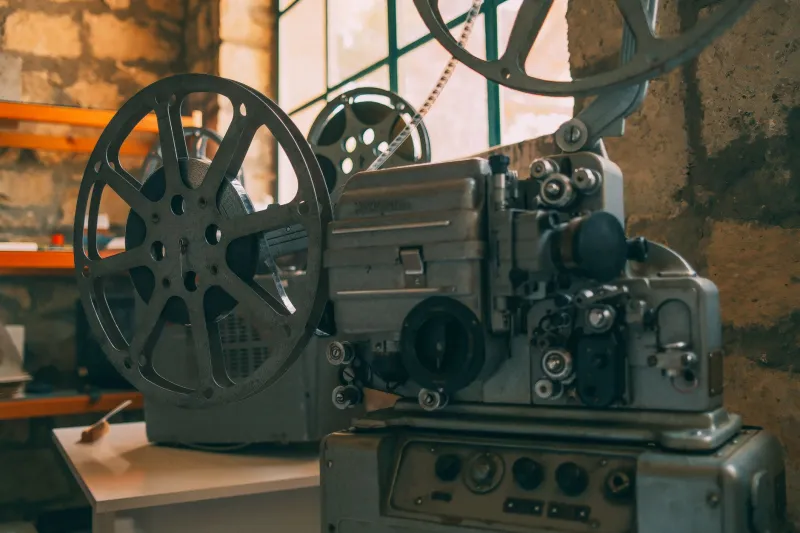
There is a particular sound a 35mm projector makes when it is warming up. A clack, a whirr, a low mechanical hum that sits underneath the adverts like a secret. In 2026, that sound is becoming a selling point. Across the UK — from the BFI Southbank to the Prince Charles Cinema, from the Hyde Park Picture House in Leeds to rep houses in Glasgow, Bristol and beyond — 35mm screenings are being programmed like gigs. And they are selling out like them, too.
The twist is that this is not purely a heritage-circuit story. Multiplexes and boutique chains are getting in on the act, digging out projectors that have spent years under dust sheets and turning them into premium events. The pitch is simple: come and see something that feels like film. Not a pristine digital file, but a print with history, grain you can spot from the back row and the very real possibility that something might go wrong.
The grain is the point
For years, the industry sold cinema on cleanliness. Digital was sharper, steadier, cheaper to move around the country. The great rollout of the 2010s turned projection into something closer to server management, and the results were undeniably reliable. But reliability is not the same as atmosphere. In 2026, a growing chunk of the UK audience is paying a premium for the opposite: texture.
You can see it in the way these screenings are marketed. They are not sold as history lessons. They are sold as one-night-only experiences, often with a short introduction, a printed programme and a ticket price that can nudge past a standard adult seat in London. The audience is a mix of older film fans who remember reel changes the first time around and younger cinemagoers who have mostly encountered celluloid through social media clips. Both groups are chasing the same thing: proof that they are in a room with a physical object, not a stream.
There is also the communal risk. A 35mm screening has edges. A reel can jam. A splice can snap. The image might wobble, the sound might dip, and the projectionist might have to step in. That faint threat is part of the appeal. It turns a screening into a shared event rather than a delivery system. When was the last time a packed audience held its breath because a film might actually stop?
The booth is back in demand
The revival has put an unexpected spotlight on projectionists. The UK's pool of experienced 35mm operators is not large, and it has been shrinking for years as digital took over. Cinemas that want to programme celluloid now have to plan around a small number of skilled people, many of whom work freelance or split their time between venues. Training is happening, but it is slow work. You cannot learn the feel of a platter or the sound of a failing print from a YouTube tutorial.
That scarcity shapes the calendar. A venue might only be able to run one or two 35mm titles a month, which in turn makes those screenings feel rarer and more valuable. It also changes the economics. Prints have to be sourced, shipped, inspected and insured. Distributors such as Park Circus and the BFI have deep catalogues, but availability is finite, and condition varies. A print that has been touring for decades may arrive with a few more scars than the last time it was shown. For audiences, that is part of the charm. For programmers, it is a logistical puzzle.
A premium product, not a nostalgia trip
The smartest cinemas are not treating 35mm as a museum piece. They are treating it as event programming. That means pairing a print with a Q&A, a themed bar night or a double bill that leans into the physical format. It means selling the screening on its differences rather than apologising for them. And it means accepting that a 35mm ticket can carry a higher price than a standard digital show, because the audience is not just buying a film. They are buying an occasion.
This is where the multiplex interest becomes interesting. If 35mm becomes a reliable premium offering, even in a handful of screens, it could change how venues think about repertory programming. The old assumption was that catalogue titles belonged to the art houses. But audiences have shown they will travel for the right event, and they will pay for something that feels exclusive without being elitist. A 35mm print of a beloved blockbuster can pull a crowd that would not turn out for a digital reissue. The format does the marketing.
There are limits. The supply of prints is not infinite, and the skills gap is real. A full-scale return to celluloid is not on the cards, and nobody serious is arguing for one. The point is not to replace digital. It is to use 35mm as a different kind of tool: a way to make a night at the cinema feel like a night out, with a beginning, a middle, an interval if you are lucky, and an end you cannot pause.
What it means for your cinema diary
For UK film fans, the practical upshot is simple: keep an eye on the listings. 35mm screenings tend to appear with less warning than major releases, and they often sell out before the mainstream press notices. Follow your local rep house on social media, sign up to newsletters, and be prepared to book early. If a venue announces a celluloid print of a film you love, treat it like a gig ticket. The chances are it will not hang around.
And if the projector hiccups halfway through? That is not a bug. In 2026, it is increasingly the feature. The grain, the reel changes, the whirr from the booth — these are the things a digital screening cannot give you. They are also the things a growing number of British cinemagoers are deciding are worth the price of a ticket. The reel deal, it turns out, is still on.