The Cold Open Club: Why UK Film Fans Are Skipping the Last Trailer

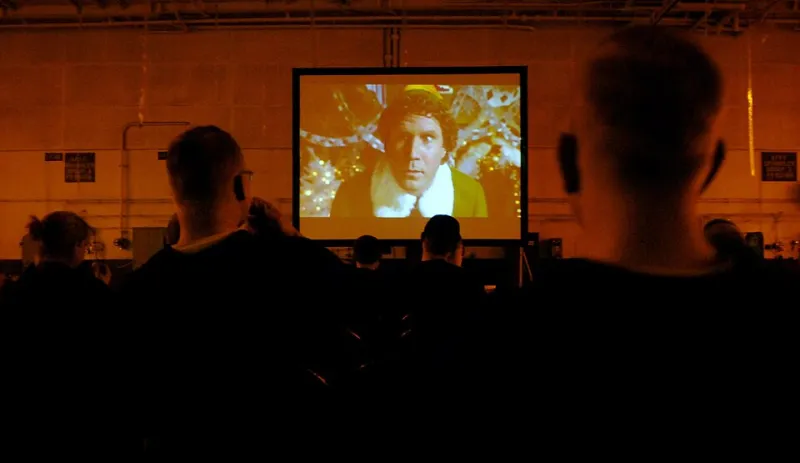
Photo: cinema audience covering eyes avoiding spoiler trailer UK movie theatre, via www.thefamouspeople.com
There is a particular kind of hush that falls over a UK cinema audience when the final trailer begins. Not the reverent hush of the opening shot. More the collective brace of people who have already bought their tickets, already chosen their seats, and are now being shown what feels suspiciously like the whole film in two minutes and twenty seconds. In 2026, a growing number of film fans are refusing to sit through it at all.
They are the cold-open club: viewers who book early, avoid the last wave of marketing, and walk into the auditorium knowing as little as possible. No final trailer. No TV spot. No clip drop on a breakfast sofa. Just a title, a poster, maybe a one-line premise, and a willingness to be surprised.
The last trailer problem
Trailers have always sold the sizzle. But the final trailer has become a strange beast in the UK market. It arrives four to six weeks before release, usually after the teaser and the main trailer have already done their jobs. By then, most interested viewers know the tone, the cast, and the general shape of the thing. The final trailer is supposed to close the deal. Too often, it closes the plot instead.
There is a reason for that. Marketing teams need to convert the undecided. They need to reach people who have not watched the first two trailers, which means recapping the setup, the stakes, and at least one big set piece. The result is a piece of advertising that plays brilliantly to a general audience and like a spoiler reel to anyone who was already in.
For UK cinema-goers, the problem is compounded by the pre-roll. Odeon, Vue, Cineworld and the rest have advertising contracts to honour, and trailers are part of the package. You can arrive late, but then you risk missing the opening shot. You can look at your phone, but the light is annoying. You can stare at your shoes, but the bass still tells you something is happening.
How the cold open went mainstream
The spoiler-avoidance movement used to feel like a niche hobby for people who also alphabetise their Blu-rays. In 2026, it has gone properly mainstream. Reddit threads, WhatsApp groups, and cinema-club newsletters now carry the same message: book the ticket, skip the final trailer, trust the film.
The logic is simple. If you have already decided to see a film, the final trailer has no job to do. It cannot make you more likely to buy a ticket you have already bought. It can only subtract from the experience. Fans have started treating the last trailer the way they treat a film review with a plot summary in the headline: useful for some, radioactive for others.
UK cinemas have noticed. Independent venues have always had more freedom to programme their own pre-roll, and some now advertise "cold open" screenings or simply shorten the trailer reel for certain shows. The big chains are more constrained, but there is a quiet recognition that audiences are becoming more deliberate about when they arrive. Late seating is up. The bar queue is longer. The ritual of the pre-film pint has become a tactical shield against the last trailer.
What distributors can actually do
This is not a simple case of marketing departments being careless. A final trailer is a commercial tool, and it exists because it works on enough people to justify the cost. But there is a middle ground. Some distributors have started cutting shorter final trailers that lean on mood rather than plot. Others have experimented with "untold" spots that show a single image or a line of dialogue and nothing else.
The problem is that the UK market is crowded. A film opening against a superhero sequel and a horror sleeper needs every advantage it can get. The final trailer is often the last chance to reach casual viewers who are not yet convinced. For every fan who wants to go in cold, there are three who want to know exactly what they are buying. Neutrality matters here. Neither side is wrong.
What is changing is the expectation. Audiences are more aware of how trailers are built, more comfortable with the mute button, and more likely to treat marketing as something to be managed rather than absorbed. The final trailer is no longer a neutral preamble. It is a choice.
The case for one more frame
There is an argument that the final trailer still earns its place. It can be a beautifully cut piece of filmmaking in its own right, a mood piece that sends you into the cinema with the right rhythm. Some films benefit from a final reminder of scale, or a last look at a performance that has been under-sold. And for people who see only a handful of films a year, that last trailer might be the only trailer they see.
But the cold-open club is not asking for trailers to disappear. They are asking for control. They want to be able to buy a ticket and then step out of the marketing cycle. They want the option to go in blind without feeling like they have to arrive ten minutes late and stumble over knees in the dark.
In 2026, that feels like a reasonable ask. The final trailer has become a necessary evil for distributors and a plot recap with bass for everyone else. The smartest response is not to kill it, but to give audiences a way around it. A cold-open screening. A shorter pre-roll. A note on the booking page. Something that acknowledges the ticket is already sold.
Until then, the cold-open club will keep doing what it does best: booking early, arriving late, and staring very hard at the carpet while the last trailer does its thing. They have already decided. They would rather be surprised.