When the Fandom Cuts First: Why UK Cinemas Are Watching TikTok, Not Just Trailers
It is 11pm on a Tuesday and the most effective piece of film marketing in the country is a 38-second TikTok edit. No studio logo. No title card. Just a looped shot of a rain-soaked street, a needle drop that has been used in roughly nine million other videos, and a caption that says: this is the film of the year and it is not even out yet. By breakfast, the comments are full of people asking which Odeon in Manchester is showing it.
That is the strange new reality of 2026. The first trailer for a film is increasingly not a trailer at all. It is a fan edit — cut by someone with a laptop, a TikTok account and an unusually deep knowledge of the film's press kit. And UK cinemas are paying attention.
The first touchpoint is no longer official
For years, the release-date conversation started with a studio dropping a teaser and hoping the internet behaved. Now the internet gets there first. Fan editors stitch together behind-the-scenes clips, set photos, Reddit leaks and official footage into something that feels more immediate than a polished two-minute trailer. The result is a strange kind of pre-marketing: rougher, faster and often more emotionally direct than anything a distributor would sign off.
It is not just superhero stuff. In 2026, a mid-budget British folk horror with no recognisable leads picked up serious momentum after a fan-made edit leaned hard on the if you liked Midsommar, you will lose your mind at this angle. A bigger studio sequel got the opposite treatment: a villain-focused fan cut that made the antagonist look like a misunderstood indie singer, which sounds daft until you see the comments begging for IMAX tickets. Neither edit was official. Both changed the conversation.
Why the fan cut travels faster
Official trailers have a problem: they have to explain everything. A fan edit only has to sell a feeling. It can isolate one image, one line, one look. It can be shared by people who have not watched a full trailer since 2019. And because TikTok's algorithm rewards watch time rather than budget, a teenager in Leeds can end up doing more for a film's local awareness than a poster campaign on a bus shelter.
That matters in the UK, where release dates are not always neatly aligned with the US. A fan edit can go viral months before a film lands here, which creates a peculiar kind of anticipation: people are already asking for showtimes while the distributor is still working out how many screens to book. It also creates a peculiar kind of frustration. Nothing kills a TikTok-driven buzz like a comment saying out in the UK in February when it is currently October.
What programmers actually measure
Cinema programmers are not sitting in a dark room guessing. They are watching. Several UK exhibitors say they now track TikTok hashtag velocity, saved sounds, comment sections and Google Trends alongside traditional presale data. If a fan edit is generating hundreds of comments asking about Liverpool or Glasgow, that is useful information. If it is generating comments that are all about the edit itself and not the film, that is useful too — just not in the way the marketing team hoped.
For smaller venues, this is free market research. An independent cinema in the North West can see a fan edit popping off and decide to add a late-night preview before the bigger chains have even updated their listings. For multiplexes, it is a scheduling hint: maybe that film needs an extra screen on Friday, or maybe the buzz is real but concentrated in a demographic that does not book until the day itself.
The fan edit is a focus group that never sleeps. It is also a focus group that can be completely wrong.
The distributor dilemma: embrace or chase?
This is where things get tense. Fan edits use copyrighted footage and, often, copyrighted music. Most studios tolerate them when they are clearly made by fans, do not spoil the third act and do not pretend to be official. Some have learned the hard way that a takedown can turn a mild viral moment into a full-blown online row. Others are now quietly seeding the ecosystem: releasing high-quality clips, isolated audio and edit-friendly assets in the hope that the fan cuts land closer to the actual film.
But there is a real fear, too. A fan edit can set the wrong tone. It can make a slow-burn drama look like a slasher, or a family film look like a cult nightmare. It can put a release date in people's heads that the distributor has no intention of meeting. And it can build a wave of anticipation that the finished film cannot possibly surf. The 2026 mantra among film publicists is simple: the edit is not the movie.
Release dates are getting messier
Fan buzz does not just sell tickets; it can nudge calendars. In 2026, one UK release moved its previews forward by a week after a fan edit crossed 20 million views, largely because the comments were full of people who wanted to see it before spoilers took hold. Another film added midnight screenings in London and Manchester after a fan-made teaser made the rounds. Neither decision was driven by a single TikTok, but both were shaped by the noise around it.
That noise can cut both ways. If a fan edit goes viral in the US but not here, UK audiences can feel like they are late to their own party. If it goes viral here first, distributors suddenly have to explain why a film is not out until March. The release-date shuffle is nothing new, but the speed of the conversation is.
The cinema floor hears it first
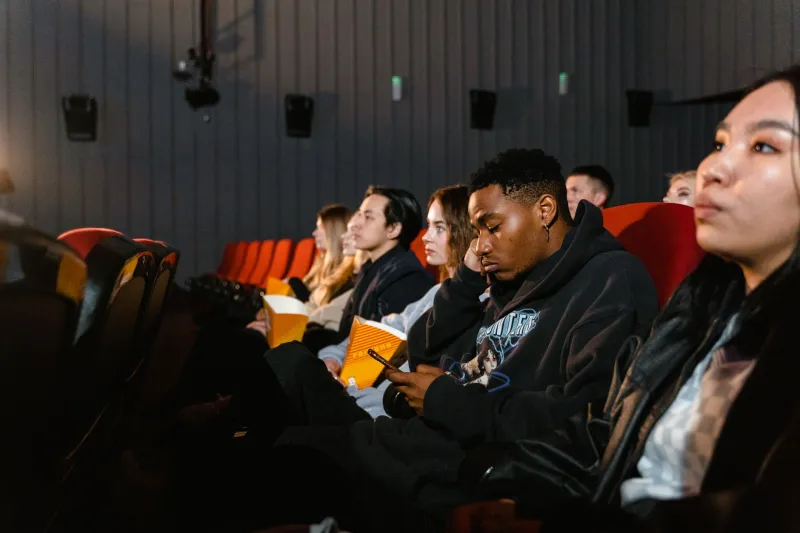
Front-of-house staff are the best barometer. They hear the TikTok film before head office does. They see the groups of friends who have watched the edit but not the trailer. They get asked whether a film is the one with the thing because the thing was a two-second clip in a fan edit and not in any official material. Savvy cinema social teams now repost fan edits with credit, run TikTok made me watch it screenings and lean into the chaos rather than pretending it is not happening.
That does not mean every viral edit deserves a slot. A fan edit can make a niche film feel like an event, but a cinema still has to fill seats on a wet Wednesday in November. The trick is treating the fan edit as a signal, not a guarantee.
What happens next
The fan edit is not going away. It is becoming part of the release ecosystem, whether distributors formally acknowledge it or not. The smartest campaigns in 2026 are the ones that treat fans as collaborators rather than pests — giving them enough material to play with, keeping spoilers locked down and watching the conversation in real time.
For UK cinema-goers, the upside is simple: more films get a fighting chance because someone on the internet made them look irresistible. The downside is that the line between a trailer, a teaser and a fan-made mood board is now almost impossible to see. Next time you book a ticket because of a clip you saw on your phone, check who made it. There is a decent chance it was not the studio at all.