The Scroll Is the Show: Why UK Audiences Are Refusing to Leave Until the Lights Come Up
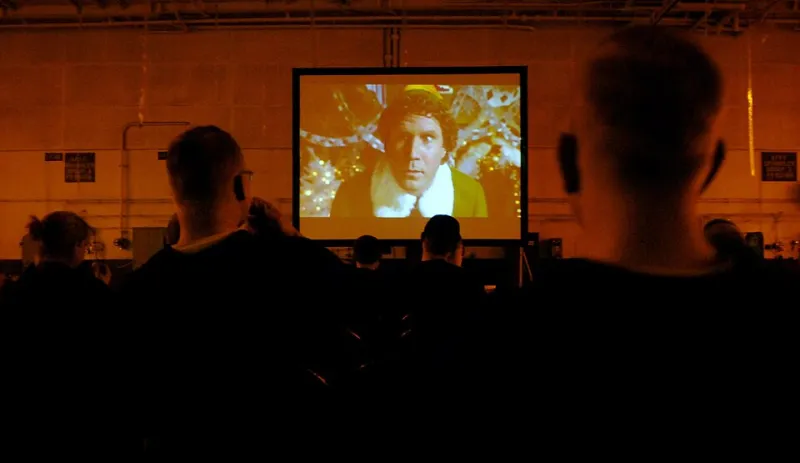
Photo: U.S. Navy photo by Mass Communication Specialist 2nd Class Arturo Chavez, Public domain, via Wikimedia Commons
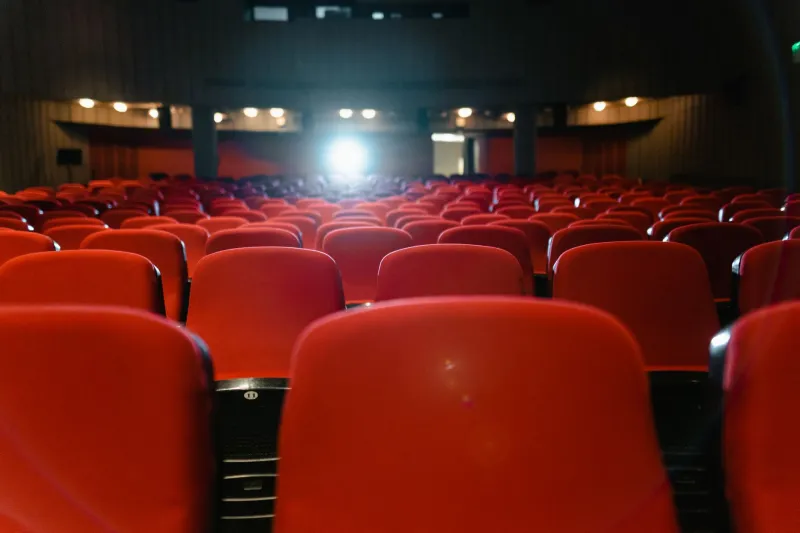
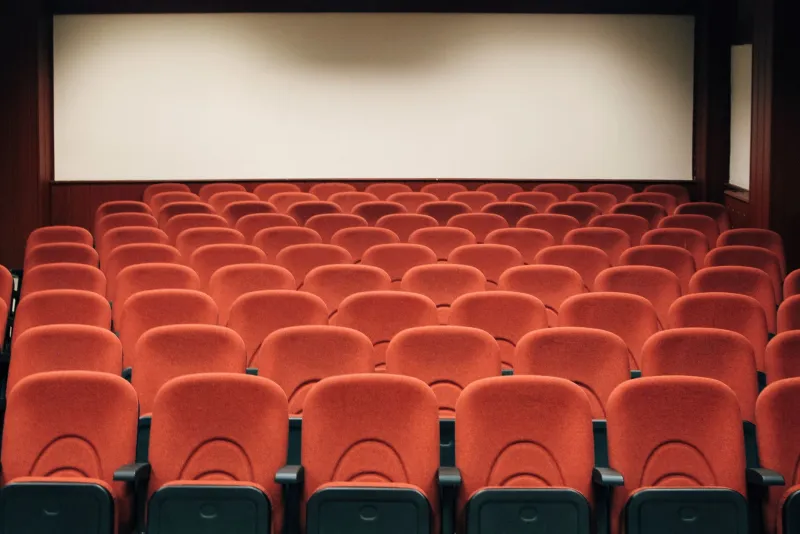
There is a particular sort of hush that falls over a British cinema auditorium when the credits begin. Not the respectful hush of a film’s final shot, and not quite the rustle-and-coat-hush of a normal exit. It is the hush of a crowd making a collective calculation: do we stay? In 2026, more often than not, the answer is yes. The scroll has become part of the show.
The sting in the tail
For years, the post-credits scene was a niche pleasure — a reward for the geeks who stayed put, a little nod from the filmmakers to the people who read the names. Since the superhero boom of the 2000s and 2010s, though, the mid-credits stinger and the post-credits tease have gone mainstream. In 2026, they are less an Easter egg and more a marketing engine of their own. A single cameo can dominate the group chat before the ushers have finished sweeping the aisle.
What has changed is not just the frequency of these scenes but their weight. Studios now know that the final thirty seconds of a film can generate more online chatter than the previous two hours. A sequel tease is no longer a bonus; it is a headline. A surprise return is not a wink; it is a news event. And British audiences, who have always enjoyed being in on a joke, have leaned into it.
Why the scroll became the spoiler
The modern cinema trip has a new etiquette problem. If you leave early, you risk missing the thing everyone will be talking about by Saturday morning. If you stay, you risk missing the last train. The result is a kind of low-level tactical planning that would impress a general. People check the runtime before booking. They check the bus timetable before the final act. They whisper to their companions: “There’s supposed to be something after the names.”
In 2026, that whisper is less a rumour than a routine. Social media has trained audiences to expect a sting, and the sting has trained audiences to sit tight. The credits roll is no longer dead air. It is a live moment, shared in real time, with phones kept low and ears pricked for the sound of a familiar voice. The scroll has become the spoiler — and the spoiler has become the reason to book.
The staffroom view
For cinema staff, the post-credits boom is a mixed blessing. On the one hand, it keeps people in the building longer, which means more time at the concessions stand and a livelier atmosphere in the foyer. On the other, it has made the clean-up rota a puzzle. Ushers hover by the doors, unsure whether to start clearing or wait for one last reveal. Cleaners learn to read a crowd: if half the audience is still seated and staring at the screen, you wait. If the credits are scrolling and nobody has moved, you wait longer.
Scheduling has had to adapt, too. In multiplexes, the gap between screenings has always been tight. A film with a mid-credits scene and a post-credits scene can stretch the turnaround time by five or ten minutes — enough to cause a knock-on effect on a busy Saturday. Some sites have started factoring “credit time” into their timetables, much as they might factor in a longer blockbuster runtime. Independent cinemas, with fewer screens and more flexibility, have been quicker to lean into it. A few now dim the lights a little lower during the scroll, as if to say: we know why you’re still here.
There is also the accessibility question. Not everyone can stay. Not everyone wants to. For disabled patrons, late-night transport users, or parents with a babysitter on the clock, the post-credits scene can feel less like a treat and more like a test. The best cinemas are the ones that acknowledge this without making a fuss — a quiet note on the website, a poster in the foyer, a staff member who knows which films have a sting and which do not.
A night out with end credits
What is striking about 2026’s post-credits culture is how much of it has become social. The credits roll is now a place to linger, to debrief, to whisper theories. In London, the last train from Waterloo has become a genuine scheduling concern for late-night screenings. In smaller towns, the walk to the car park is punctuated by the same conversation: “Did you see who that was?” The scroll has become a post-match analysis, a shared moment of speculation before the pub or the bus.
The soundtrack helps. Filmmakers increasingly use the credits to extend the mood — a needle drop, a reprise, a final joke. Audiences have learned to listen as well as watch. The result is that the end of a film feels less like a full stop and more like a cliffhanger. Even films without a sting now benefit from the expectation of one. The lights stay low. The crowd stays put. The night out stretches just a little longer.
Don’t call it a post-credits scene
The industry has a few names for it: the stinger, the tag, the credit cookie. Fans just call it “the thing after”. Whatever you call it, it has changed the rhythm of a cinema visit. The final act is no longer the final act. The real ending happens in the dark, with names scrolling past, a crowd holding its breath, and a collective decision to wait just a little bit longer.
For UK cinemas, that is both a logistical headache and a gift. For audiences, it is a reminder that the shared experience of a film does not stop when the plot does. The credits are where the conversation starts. And in 2026, Britain is sitting tight.