Surge Cinema: Why the Price of Your Saturday Seat Is Now a Moving Target

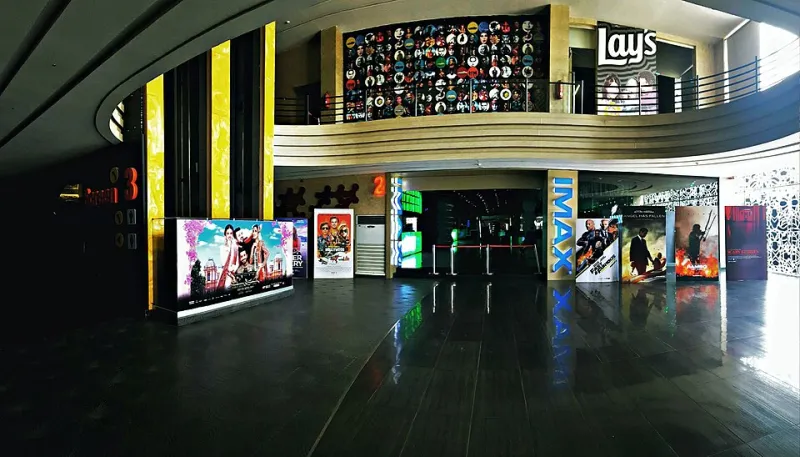
Photo: Elliott Brown from Birmingham, United Kingdom, CC BY-SA 2.0, via Wikimedia Commons
Here's a small experiment worth running this week. Open the Odeon app on a Tuesday morning and price up a Saturday 7:45pm showing of whatever's big. Then do it again on Thursday night. Same film, same screen, same seat — and, in a growing number of cases, not the same number at the till.
Welcome to dynamic pricing, the airline trick that has spent the last couple of years quietly settling into British cinema ticketing. Nobody sent a press release. There was no dramatic rollout, no on-screen trailer explaining it. It simply arrived, screen by screen and postcode by postcode, until the price of a night at the pictures stopped being a fixed, knowable thing and became a question with a variable answer.
The price tag that blinks
The principle is borrowed wholesale from aviation and hospitality. Instead of a flat tariff for every 7pm showing, operators adjust prices in something close to real time based on demand signals: how fast seats are selling, which format the film is in, whether it's opening weekend, whether it's raining, whether the school holidays have started, and how busy the screens down the road happen to be.
The building blocks aren't new. Seat-tier pricing — pay more for the recliner, the middle of the back row, the IMAX screen — has been with us for years. What's changed is the scale and the speed. A 2026 multiplex can reprice a screen several times a day, and it can do it differently in Leicester Square than in Bolton.
None of this is unlawful. Cinema tickets aren't a regulated price, and operators are free to charge what the market will bear. The one firm rule is transparency: under the drip-pricing provisions that came into force in 2025, the total you'll actually pay — mandatory booking fees included — has to be shown upfront, not sprung on you at checkout. That's a genuine improvement. It doesn't, however, oblige anyone to explain why the price moved.
Where you feel it first
Peak slots go first. Friday and Saturday evenings, premium formats, the first weekend of a franchise juggernaut, half-term, and any Sunday afternoon when the weather has cancelled the park plans. A big-screen blockbuster in a city-centre venue can comfortably tip past £18 a head before you've even considered the popcorn, while the same film in a standard screen on a wet Wednesday might sit nearer £10.
And it's not just the headline ticket. Multiplied across a family of four, a £3 swing per seat is a £12 swing on the night — roughly the cost of a decent round of drinks, or a whole extra trip to the cinema on a cheap day.
Who the algorithm quietly helps
The picture isn't all grim. Demand pricing cuts both ways, and the people it suits best are those with a bit of wiggle room in their week. Students, shift workers on a rota they control, freelancers, retirees, and anyone who can genuinely take a Tuesday afternoon off are now being actively courted with prices that would have looked absurd five years ago.
That's the honest argument operators make: by charging peak audiences more, they can afford to slash the dead screenings rather than slapping a blanket increase across the whole week. A half-empty 2pm Tuesday is pure cost; fill it at £6.99 and everyone walks away happier. Vue has leaned into flat, keen pricing for years as a brand promise, and a lot of independent venues — the Tyneside, the Hyde Park Picture House, your local two-screener — treat a stable price list as part of their identity. You notice it most when it's gone.
Who gets squeezed
The counter-argument is that the algorithm is very good at identifying people who have no choice. If Saturday at 7pm is your only realistic window — because of childcare, a job, a caring responsibility, or simply the fact that the rest of the household is around — then a demand-driven price isn't a nudge towards the off-peak. It's a surcharge on the shape of your life.
There's a quieter problem too: the growing split between subscribers and everyone else. Membership schemes such as Odeon Limitless and Cineworld Unlimited insulate their members almost entirely from this, which is excellent news if you're already in. For the pay-as-you-go audience — the casual, the curious, the once-a-month family — the price is the price, and it moves.
The Friday matinee escape hatch
So what do you actually do about it? A few things work consistently. Book earlier in the week rather than on the night, because the algorithm rewards certainty. Compare all three chains plus your nearest independent before committing, since the gap between them is now wider than it used to be. Take the 4pm instead of the 8pm if the diary allows. And if you're going more than twice a month, run the numbers on a membership — the maths tips in your favour faster than you'd think.
What's less clear is whether audiences will simply absorb this, the way we absorbed booking fees and £5 water, or whether there's a genuine backlash brewing. Cinema's great advantage over theatre, gigs and even a decent dinner is that it has always felt like the affordable night out. The moment a family starts describing a trip to the multiplex as "a treat we save up for", something has shifted.
Dynamic pricing isn't going anywhere. Airlines, hotels and train operators all proved that customers grumble and then buy anyway. But cinemas trade on habit and goodwill in a way that a budget airline doesn't, and this year's audience is already spoilt for choice between streaming, cult repertory nights and the flat-priced charms of the local independent. The operators can move the price around as much as they like. Whether the British public keeps turning up at the top of the demand curve is a different question — and it's one we'll all answer with our bank cards.