Short King Cinema: Why 2026's Smartest Nights Out End Before the Last Train
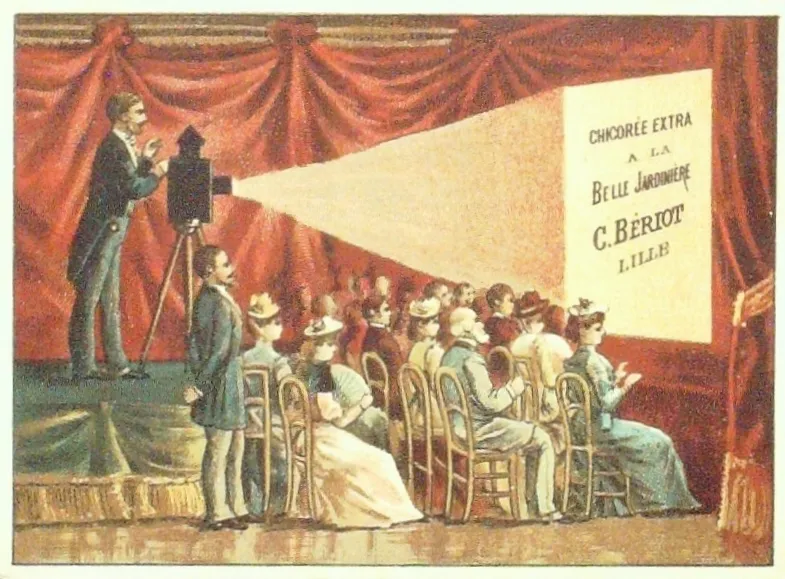
Photo: Unknown authorUnknown author, Public domain, via Wikimedia Commons
Let's start with a confession: the best cinema trip I've had in 2026 wasn't the longest one. It was an 86-minute horror film that started at 8:10pm, ended before 9:45pm, and left me on a Northern line train home with time to spare and a bag of pick'n'mix still half full. No sprint. No apologetic taxi. No 'sorry, I'm going to miss the last train' text. Just a tight film and a sensible night out.
That's the 90-minute rule in action, and it's quietly becoming one of the smartest ways to plan a cinema trip in Britain this year. We're not talking about rushed films or thin stories. We're talking about films that know exactly what they are, get in, land the punch and get out. In 2026, the sub-100-minute crowd-pleaser is not a compromise. It's the main event.
The last-train tax
Anyone who has tried to see a film after work in a UK city knows the drill. You finish at 6pm, grab something to eat, find a screening at 7:45pm, and then do the mental arithmetic. Two hours twenty minutes plus trailers plus ads plus the walk to the station plus the chance the film actually starts ten minutes late. Suddenly the 23:12 train looks less like a plan and more like a dare.
That's the last-train tax. It's not printed on your ticket, but it shapes the whole night. A long film can turn a relaxed evening into a military operation. A shorter one gives you options: a drink afterwards, a proper conversation about what you just watched, or even the radical luxury of getting home before midnight.
And in 2026, with cinema prices still making people think twice, that flexibility matters. If you're paying £14 or more for a ticket, you want the whole evening to work, not just the film. The 90-minute rule isn't anti-ambition. It's pro-night-out.
Why 95 minutes is the new two hours twenty
There's a reason horror, thrillers and lean comedies keep landing in this zone. Tight runtimes force discipline. There's less room for filler, fewer subplots that go nowhere, and usually a sharper sense of momentum. You leave the cinema buzzing rather than checking your watch.
It also suits the way a lot of British audiences actually watch films now. We're not all booking a full evening at the Everyman with a plate of chips and a glass of something red. Plenty of us are squeezing a film in after work, between trains, or on a school night. A 92-minute film respects that. A 142-minute film asks for a commitment that sometimes just isn't on the table.
There's a cult appeal too. Short films feel like discoveries. They can be nastier, weirder and more direct because they don't have to carry the weight of a four-quadrant blockbuster. The best ones play like a slap in the face — and then you're back on the street before the queues at the bus stop have even formed.
The 2026 short-runtime hall of fame
Here's our ranked shortlist of 2026 releases that respect your last train home. Runtimes are the feature, not the ads and trailers — because that's where the real maths starts.
-
Night Bus (84 mins) — The horror breakout of the year for anyone who likes their scares lean and their exits quick. It's all fluorescent lights, empty seats and bad decisions. You'll be home before the credits stop ringing in your ears.
-
The Drop (91 mins) — A proper Friday-night thriller: one location, one bad handoff, one very sweaty lead performance. It does more in ninety minutes than most films manage in two and a half hours.
-
Two Stops Early (88 mins) — The romantic comedy that actually understands the London commute. Sharp, silly and just long enough to make the walk to the station feel like part of the plot.
-
Cold Open (95 mins) — A comedy that knows the value of a good ending. No third-act bloat, no sentimental detour, just a steady build to a very satisfying punchline.
-
Last Stop, Peckham (97 mins) — Cult action with a South London accent and a runtime that leaves room for a post-film debrief in an actual pub. This is the kind of film that makes a Tuesday feel like a Friday.
How to spot a tight runtime before booking
You don't need to be a scheduling wizard to avoid a 160-minute trap. A few simple checks will do it.
- Check the BBFC card. The black classification card at the start of a film usually lists the runtime. It's not just for age ratings.
- Use the cinema app, not the poster. Odeon, Cineworld, Vue and Everyman listings normally show the feature runtime in the film details. The poster won't tell you.
- Ignore the advertised start time. A 7:30pm screening can mean 7:30pm for ads and trailers. If you're cutting it fine for a train, add 20 to 25 minutes to whatever the app says.
- Search the distributor's press notes. If you want to be really sure, the official runtime is usually in the press kit or the BBFC entry.
- Set a personal cutoff. If you've got a last train at 11pm and a 25-minute journey, anything over 105 minutes is a risk. Be honest about it.
- Ask the box office. It sounds old-school, but staff will often know the exact runtime and whether there's a long pre-show.
The short film advantage
None of this means every film should be 90 minutes. Some stories need room to breathe. But 2026 is proving that shorter doesn't mean smaller. A lean film can be just as ambitious, just as emotional and just as memorable — and it won't leave you sprinting for the 23:12 with popcorn in your shoe.
So next time you're booking, look at the runtime before you look at the poster. The best cinema trip of the year might be the one that gets you home in time for a cup of tea.