Cult Classics Are Eating the Multiplex — and 2026's Best Cinema Ticket Isn't a New Release

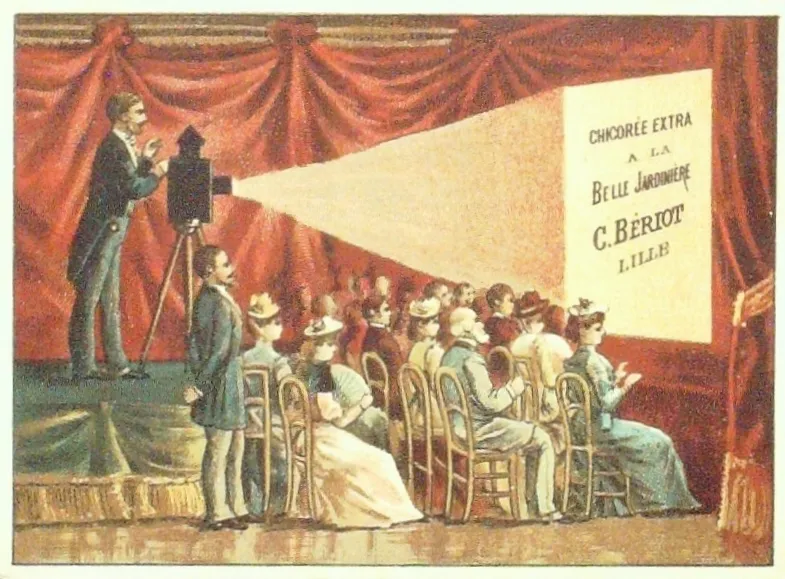
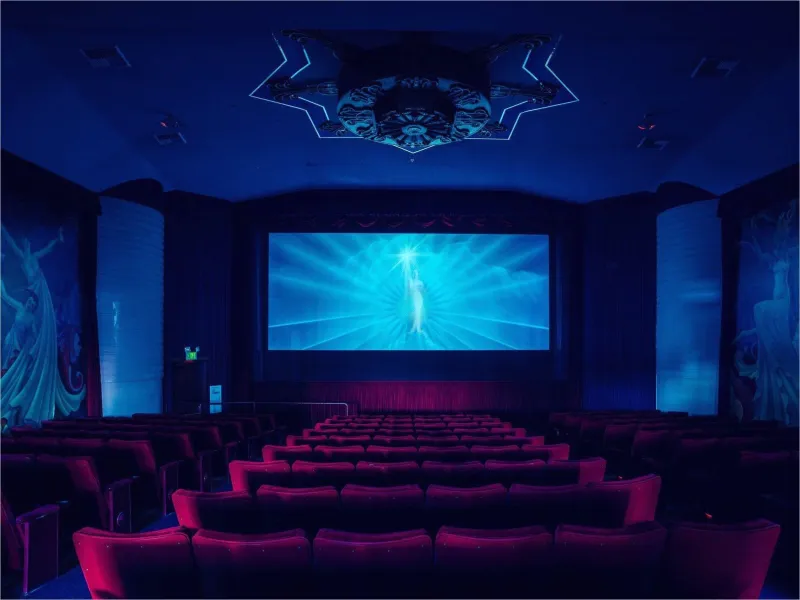
Photo: vintage cinema repertory screening audience London independent cinema, via www.slidekit.com
Something strange is happening in UK cinemas. The queues are not always for the latest superhero sequel or the awards-bait drama with the tasteful poster. They are for films that came out decades ago. In 2026, repertory screenings of cult classics have become the hottest ticket in town, and the people booking them are not just middle-aged fans chasing their youth. They are students, first-date couples, groups of friends who cannot agree on a new release, and teenagers who discovered Suspiria on TikTok.
This is not a small trend. It is a shift in how audiences are using cinemas, and independent venues are capitalising on it with real imagination.
The new-release fatigue is real
Let us be honest: 2026 has been a busy year at the multiplex, but busy does not always mean exciting. There have been big swings, some of them very good, but there has also been a lot of noise. Franchises are getting longer, marketing campaigns are getting louder, and ticket prices are not exactly falling. For many cinema-goers, the idea of paying £15 to see something they are not sure about has lost its appeal.
Repertory screenings offer the opposite. You know what you are getting. You have probably seen it before, or you have heard about it for years and finally want to know what the fuss is about. The risk is low, the reward is high, and the atmosphere is often better than a Friday night showing of a film that everyone will have forgotten by Christmas. That is not nostalgia talking. That is basic economics and basic human behaviour.
Why cult films hit different in a packed room
There is a reason people keep going back to The Thing, Withnail and I, Shaun of the Dead, Donnie Darko and The Rocky Horror Picture Show. These are films built for a crowd. They have lines you can shout, scenes you can anticipate, and moments that feel different when you are surrounded by people who know what is coming. A repertory screening is not a quiet night at the pictures. It is a shared event.
That is especially true for horror and cult comedy. Suspiria in a full room is a sensory assault. The Thing with an audience that knows the defibrillator scene is coming is a masterclass in tension and release. And Rocky Horror has never really been about the film alone; it is about the performance around it. Independent venues understand this. They are not just screening films. They are hosting nights out.
The venues making it work
The Prince Charles Cinema in London has been doing this for years, but 2026 feels like its busiest yet. Its cult screenings regularly sell out, and its membership scheme has become a genuine badge of honour for film fans. BFI Southbank is packing out retrospectives, while the Hyde Park Picture House in Leeds has turned its repertory programming into a local talking point. The Showroom in Sheffield, Tyneside Cinema in Newcastle and Glasgow Film Theatre are all doing the same: mixing beloved cult titles with themed nights, Q&As and cheap tickets for under-25s.
Even the bigger chains are noticing. Everyman has leaned into event cinema, and some Odeon and Vue sites are testing late-night cult slots. But the real energy is independent. These venues can move quickly, program eccentrically, and build a relationship with their audience that a national chain cannot easily replicate. They know that a packed screening of Paddington 2 on a Sunday morning can be just as valuable as a new release on a Saturday night.
From London to Leeds: what is selling
The cult canon is wider than it used to be. It is not just the usual suspects. Yes, Blade Runner still fills seats, and The Rocky Horror Picture Show remains a rite of passage. But this year has also seen strong turnouts for films that used to be niche: Park Chan-wook's revenge thrillers, early Peter Greenaway, 1970s British folk horror, and animated oddities that found a second life online.
Social media has a lot to do with it. Letterboxd has turned film discovery into a public hobby, and TikTok has made it normal to worship a film that came out before you were born. A teenager who sees a clip of Donnie Darko on their phone does not just want to stream it. They want to see it in a room with other people who get it. That is a genuinely good thing for cinemas.
The risk of comfort viewing
There is a danger here, of course. Repertory programming can become safe. If venues only show the same ten cult films, the trend will burn out. The best programmers are mixing the familiar with the obscure, and they are giving newer cult films a chance too. A film does not have to be 30 years old to earn a midnight screening. The cult canon should keep growing.
There is also a risk that nostalgia becomes the whole point. The joy of a repertory night is not just remembering the past. It is discovering that a film still works, still provokes, still makes a room laugh or flinch. That is what separates a genuine cult classic from a piece of content. The audience knows the difference, and they are turning up for it.
The verdict: the hottest ticket is a second-hand one
In 2026, the most exciting night at the cinema might be a film that has been around for decades. That is not a failure of new releases. It is a sign that audiences want variety, atmosphere and a sense of occasion. They want to sit in a room with strangers and share something that feels alive. Repertory screenings offer that in a way that a standard multiplex showing often cannot.
So yes, cult classics are eating the multiplex. And honestly, good. If it means more venues take risks, more audiences discover old films, and more people remember that cinema is a social experience, then the trend is worth protecting. The best ticket in town is not always the newest one. Sometimes it is the one that has been waiting for you all along.