Please Remain Seated: The Quiet Tyranny of the 2026 Post-Credits Sting
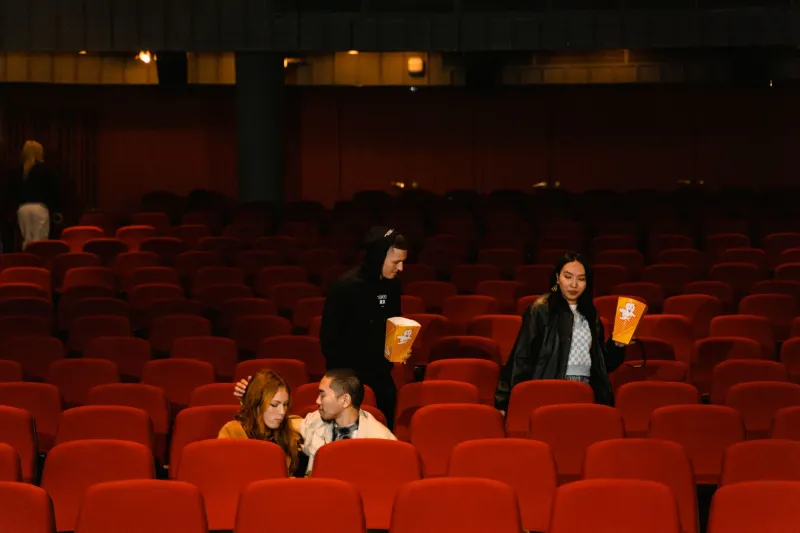
There's a particular kind of panic that only exists in a multiplex at ten past eleven at night. The credits are rolling, the house lights are hovering at that maddening half-glow, and roughly a third of the room is frozen in a state of pure calculation. Stay and risk the last train? Leave and risk the spoiler? Somewhere in the dark, a phone lights up with a taxi quote that could pay for a small holiday.
This is the modern British cinema-going experience, and it's being dragged out by a small, shiny, increasingly unavoidable thing: the stinger.
From Marvel house style to everyone's house style
Let's be fair to the Marvel lot for a second. When Nick Fury first loomed out of the shadows to talk about the Avengers Initiative, a post-credits scene was a wink — a treat for the obsessives, a bit of free marketing, a reason to hang about and argue in the car park. It was fun. It was rare.
In 2026, it's neither. Scroll through the year's release calendar and the mid-credit tag has become default kit, bolted onto horror films that don't need it, comedies that absolutely don't need it, and a couple of awards-season dramas where the tonal whiplash is genuinely astonishing. Studios have clocked that a stinger generates a little burst of online chatter two days after release — the "wait, did you see who was in THAT scene" economy — and they're not going to stop.
The problem is what that does to an evening. A 128-minute film is no longer a 128-minute film. Add trailers, add the ad reel, add the twenty-minute crawl of names that nobody in the room is actually reading, and a midweek trip to the pictures can swallow an entire night. That's before the sting arrives at the very, very end, after the logos, after the thank-yous, after the bit where the sound drops out and two people start vacuuming.
The 20-minute exit nobody budgeted for
Here's the thing the marketing department never factors in: British life runs on timetables. Last trains, last buses, the babysitter's hourly rate, the Deliveroo rider already circling the block with a bag of noodles that is going cold in a way that feels personal.
A post-credits scene isn't just a scene. It's a decision point, and it lands at the exact moment the audience is most tired, most sugared-out and least able to make good choices. You stay, you miss the 23:14 and spend £28 on a taxi. You leave, and you spend the next two days dodging spoilers like a character in a thriller. Neither option feels like value for money, and neither feels especially sociable.
I've watched it happen to a full house in Leeds, to a half-empty screen in Bristol, and to a packed Friday-night crowd in South London, and the choreography is always the same. A ripple of rustling coats. Someone whispering "is there a thing? IS THERE A THING?" A lone voice from row F, confident and slightly wrong: "There's one after the first bit of credits, then another at the very end." Nobody knows. Everybody guesses. The room splits into leavers and waiters, and the leavers walk out into the concourse looking like they've been personally let down.
Just tell us the sting time
Which brings me to the modest proposal: publish the sting time.
Not the spoiler. Not who turns up, not what the scene is, not even whether it's worth it. Just the plain, factual information a paying customer deserves, in the same way we get a runtime. Something along the lines of: Runtime 2h 06m. Additional scene at 2h 09m.
Put it on the booking page. Put it on the ticket. Put it on a little card by the screen door, like the old BBFC notes. Have the usher say it before the lights go down, in the tone they already use for "please be aware this film contains flashing images". It's not a creative decision. It's a courtesy.
Some will argue that the surprise is the point, that knowing a sting exists ruins the fun. I'd counter that the surprise was already ruined the moment the internet got hold of the film, and that a room full of people checking their watches isn't an audience in suspense — it's an audience doing admin.
The counter-argument, honestly
Now, a fair hearing for the other side. Credits exist for a reason. Hundreds of people worked on the thing — gaffers, riggers, VFX artists, the person who made the coffee that got the director through the third act — and rolling your eyes at a wall of names is a bit grim. Some films genuinely use their end sequence as part of the art: a final needle drop, a photograph, a slow fade that lets the feeling settle. Cutting that short to catch a bus is a real loss.
And there is something lovely about the devoted few who stay to the very last pixel. The problem isn't them. The problem is the obligation.
Because a stinger that's genuinely there for the fans feels different from a stinger that exists so a studio can tweet a screenshot on Monday. The first is a gift. The second is a hostage situation with a logo on it. And when every third release has one, the audience stops trusting the runtime, and once they stop trusting the runtime, they start treating the whole ending as negotiable.
What cinemas could actually do about it
None of this requires a revolution. A few small things would go a long way.
- Flag the stings in the app. A tiny icon next to the showtime. No description needed.
- Give the lobby a clock. A big one. Trust me.
- Tell staff what's in the film. If the person ripping tickets can answer "is there an extra bit?" confidently, half the anxiety in the room evaporates.
- Be honest about the credits length. Some crawls run nine minutes. Nine! That's two trailers' worth of nothing.
- Don't kill the lights. The halfway house of dim lighting during credits invites everyone to half-leave, which is the worst of both worlds.
None of it costs money. All of it respects the fact that a cinema ticket is a slot in someone's evening, not a hostage negotiation.
The last ten minutes are the rudest
We spend a lot of time in 2026 worrying about the things that ruin the movies: phones, talkers, the price of a bag of Maltesers. But the quietest anti-social act in the room isn't a glowing screen in row C. It's a film that refuses to say goodnight.
A great ending should feel like being let go. You sit there, the music swells, the screen fades, and the evening releases you back into the world — released, thoughtful, maybe slightly emotional, definitely in need of a wee. Instead we get a second ending, and a third, and a little teaser for a film that might come out in 2029.
So here's my pitch, and I don't think it's a radical one. If you've got a scene after the credits, tell us when it lands. Then let us decide whether it's worth the 23:14. That's not a spoiler. That's just good manners.