The Encore Economy: Why UK Cinemas Are Betting on the Second Ticket
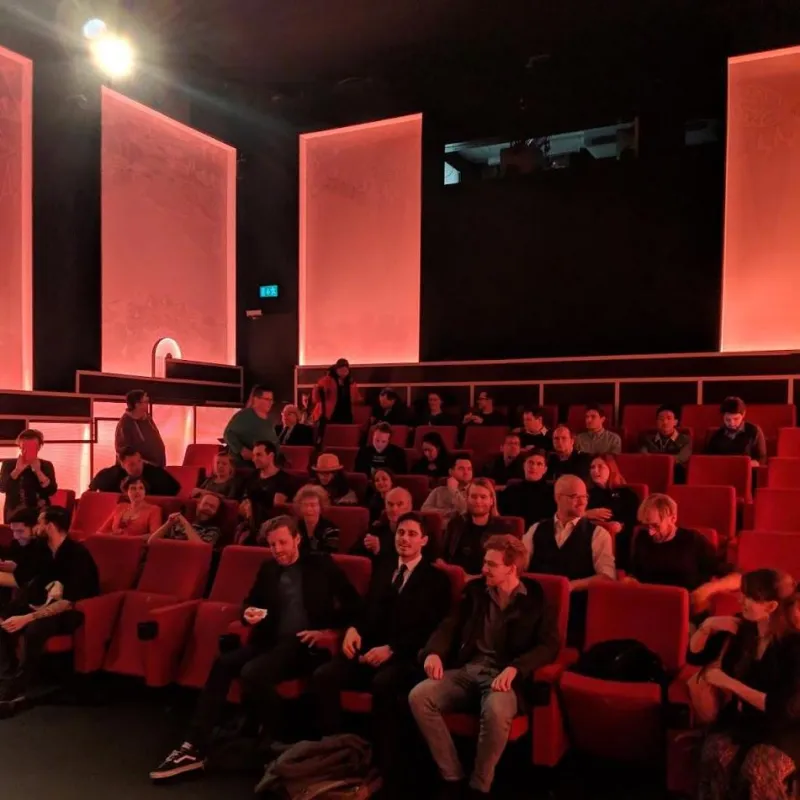
Photo: Blender Foundation – www.blender.org (https://www.blender.org/about/website), CC BY-SA 3.0, via Wikimedia Commons
In 2026, the UK cinema industry has found an unlikely growth market: the film you have already seen. Not a revival, not a re-release, not an anniversary screening — although those help. This is the deliberate rewatch: booking a second, third or even fourth ticket for the same release while it is still on general release. It is happening from multiplexes to arthouse screens, and it is changing the way cinemas think about loyalty.
Once Is Not Enough
The old logic was simple. A cinema ticket bought you a story you did not know. The new logic is messier. A ticket can buy you a film you know inside out, a night out with friends who have already seen it, or a chance to catch the bit you missed because someone in row F was unwrapping a bag of Minstrels. In 2026, repeat viewing is no longer a quirk of superfans. It is a habit.
What is driving it? Partly it is the release calendar. Big films arrive with a burst of noise, then vanish quickly from the biggest screens. If you want to see a film in IMAX, 70mm or on the largest local screen, you may need to go again before it disappears. Partly it is the way fans talk online. A film that lands well does not finish its conversation on opening weekend. It keeps going, and cinemas are learning to keep the door open.
The Subscription Effect
Loyalty schemes have made the second ticket feel almost free. Odeon Limitless, Cineworld Unlimited, Picturehouse memberships and similar passes have changed the maths. Once the monthly fee is paid, a repeat screening costs little more than the journey and the snacks. That changes behaviour. A film you liked becomes a film you can revisit without guilt. A film you loved becomes a film you can show someone else.
This is not just about hardcore moviegoers. Casual members are using their passes to see a favourite again on a quiet Tuesday, or to catch a film a second time before it leaves. The marginal cost is low, so the decision is emotional rather than financial. Cinemas, in turn, are getting something they have always wanted: a reason for customers to come back inside a week, not a month.
Fandom Does the Marketing
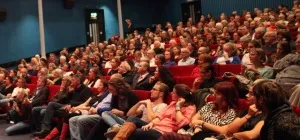
Fan-led screenings have turned the rewatch into an event. Quote-alongs, dress-up nights and anniversary shows have long been part of the UK circuit, from the Prince Charles Cinema to BFI Southbank. In 2026, that energy is bleeding into new releases. Groups book whole rows for a second viewing. Social media posts announce 'round two' with the same seriousness as a first trip. The film becomes a shared reference point, and the cinema becomes the place to keep the conversation going.
That is powerful for exhibitors because it is marketing they do not have to pay for. A fan who returns with three friends is not just a repeat customer. They are a walking recommendation. The second ticket often brings a first-time viewer with it.
Comfort Viewing, But Make It Social
There is also the comfort factor. A rewatch is a known quantity. You know the jokes will land, you know the sad bit is coming, and you know how you will feel when the credits roll. In a year when the news is loud and the release slate is crowded, that certainty has appeal. It is the cinematic equivalent of putting on a favourite album.
But this is not solitary nostalgia. The deliberate rewatch is social. It is a group chat plan, a date night with a known outcome, a way to share something you already love. The rise of the second screening is less about people refusing to move on and more about people wanting to bring others into the room.
What Cinemas Get Out of It
For UK cinemas, repeat custom is the cheapest custom. Finding a new audience is expensive. Bringing back someone who already knows the building, the parking and the popcorn queue is not. Repeat visits also help fill quieter slots. A second-run screening on a Monday can turn a dead screen into a decent night.
The data matters too. Loyalty schemes tell cinemas who is coming back and when. That helps with scheduling, targeted offers and the kind of gentle nudges that fill seats without slashing prices. In 2026, the smartest operators are not just asking 'how do we get them in once?' They are asking 'how do we make the second visit easy?'
The Limits of the Loop
There is a risk, of course. A cinema that leans too hard on the familiar can look like it is running out of ideas. Repeat screenings can crowd out new releases, and a release calendar built on rewatches can feel stale. The balance matters. The second ticket should sit alongside the first, not replace it.
There is also a difference between a deliberate rewatch and a lazy one. The films that earn a second trip tend to have something to return to: a performance, a set piece, a twist, a world. Cinemas cannot manufacture that. They can only make room for it.
The Second Ticket Is the Smart Ticket
The quiet rise of the repeat screening says something simple about 2026. UK audiences are not just chasing novelty. They are chasing value, connection and a good night out. Sometimes that means a film they have never seen. Sometimes it means the one they already love, with the people they love, on the biggest screen they can find.
For cinemas, the message is clear. The first ticket gets them in. The second ticket keeps them close. In a year of shifting release dates and shrinking windows, the encore is not a nostalgic extra. It is the business.